
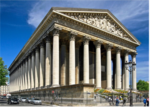
Gabriel Fauré Requiem, ca. 1900
Gabriel Fauré’s _Requiem-, Op. 48, is one of the most serene and comforting choral works in classical music. Unlike the dramatic, “fire-and-brimstone” Requiems of Mozart or Verdi, Fauré’s piece focuses on peacefulness, eternal rest, and solace rather than the fear of judgment.
In a 1902 interview, Fauré, who spent his career as an organist, said his goal was “to stray from the established path after all those years accompanying funerals! I’d had them up to here. I wanted to do something different.”
Originally composed between 1887 and 1890, the Requiem was likely written to honor the memory of Fauré’s father. The original 1888 premiere at La Madeleine in Paris included only five movements. He expanded the piece to seven movements by 1900.
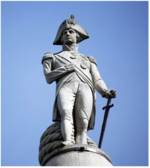
Joseph Haydn, Lord Nelson Mass, 1798
Joseph Haydn composed 14 Latin Masses over his lifetime, with the six late masses (1796—1802) standing among the supreme masterpieces of classical sacred music. His works seamlessly blend operatic drama, rich orchestration, and profound spirituality.
Haydn called this mass Missa in Angustiis (Mass in a Time of Anxiety). It was a tense and uncertain time, but in mid-September, about a week before Haydn’s new mass was to be performed, word reached Vienna that the British Admiral Horatio Nelson had destroyed Napoleon’s fleet in a brilliant victory at Aboukir. Now known as the Lord Nelson Mass, the first listeners would have associated the terrifying trumpets and timpani of the opening Kyrie and the jubilant, dramatic music that followed with the war and political turmoil — and the subsequent military victory — that was on everyone’s minds.
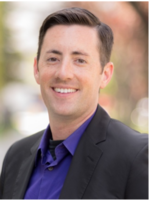
Jeffrey Benson is the Charlene Archibeque Endowed Professor of Choral Music and Director of Choral Activities at San José State University. The Washington Post hails his choirs for singing “with an exquisite blend, subtlety of phrasing, confident musicianship and fully supported tone…that would be the envy of some professional ensembles.”
He is in his twelfth season as Artistic Director of Peninsula Cantare. He This season, Benson will return to Carnegie Hall to conduct Elaine Hagenberg’s Illuminare and Mozart’s Requiem with orchestra and chorus, and he recently conducted Craig Hella Johnson’s Considering Matthew Shepard at Washington National Cathedral with Berkshire Choral International. Over the past few years, Dr. Benson’s choirs have been invited to perform with the Rolling Stones, Josh Groban, Andrea Bocelli, Sarah Brightman, the Los Angeles Festival Orchestra and the Skywalker Orchestra.
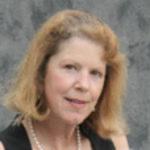
Dawn Reyen, pianist and Schola Cantorum’s Assistant Conductor, received her undergraduate degree in piano performance from the College of Notre Dame in Belmont and her master’s degree in Choral Conducting from Loyola University in New Orleans. She has accompanied professionally since the age of 12 and enjoys working in many different musical styles and genres. In addition to her work with Schola Cantorum, Ms. Reyen is the founder and conductor of Palo Alto-based Aurora Singers; music director at the Unitarian Universalist Fellowship of Redwood City; music teacher for pre-K through 8th grade at St. Raymond School; and freelance accompanist/coach.
As Assistant Conductor, Ms. Reyen assists the Artistic Director in rehearsal preparation, acts as Schola Cantorum’s accompanist for both rehearsals and concerts, and leads showtune/standards singalong events, as well as educational outreach programs.